Resilience assessment
Review architecture, dependencies, backups, monitoring, operational procedures and known failure scenarios.

Cloud & Disaster Recovery
RoundRobin helps organizations assess dependencies, define recovery objectives, improve backup and failover capabilities and test whether the plan works before a real outage exposes the gaps.
Resilience planning
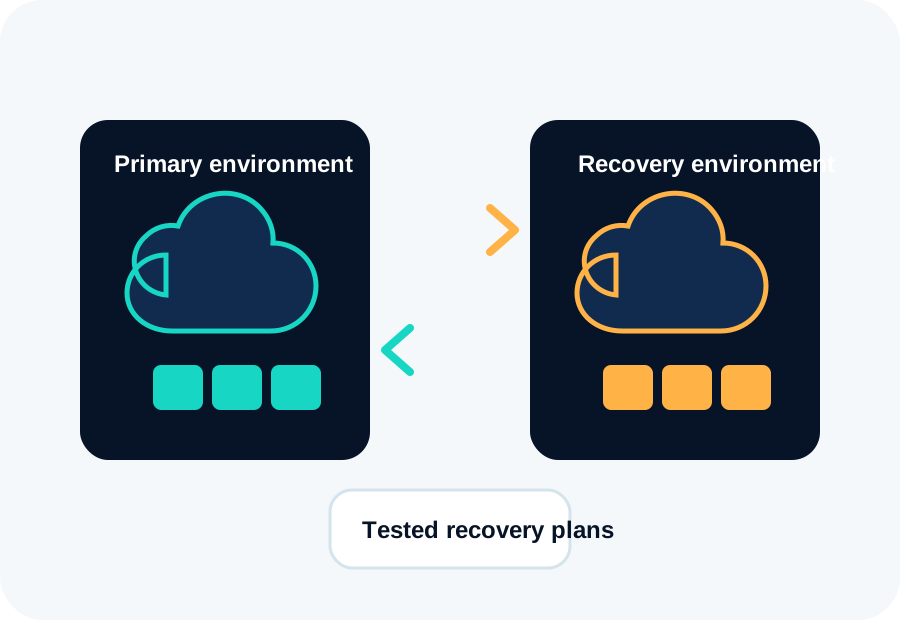
Recovery design starts with critical services, dependencies and acceptable impact. We use those inputs to shape architecture, backup, replication, procedures and test scenarios.
Capabilities
Review architecture, dependencies, backups, monitoring, operational procedures and known failure scenarios.
Define migration waves, security controls, landing-zone needs, cutover, rollback and post-migration validation.
Evaluate data replication, infrastructure recovery, network dependencies, identity, DNS and failback requirements.
Assess backup scope, retention, access controls, off-site copies, immutable storage and restoration evidence.
Create ordered, role-based procedures with prerequisites, validation steps, decision points and communication actions.
Plan tabletop, component, application or broader recovery tests and track findings through remediation.
Recovery model
Identify critical applications, data, identities, integrations, infrastructure and supporting vendors.
Translate business tolerance into achievable recovery objectives and service tiers.
Assign technical, business, vendor, communications and leadership responsibilities.
Test restoration and failover, record evidence, resolve gaps and repeat on a defined schedule.
Cloud operations
Moving workloads to cloud infrastructure does not automatically make them resilient. Availability zones, regions, identity, networking, backups, configuration, monitoring and cost all still require deliberate design and operating ownership.
We can assess the current state, identify the highest-risk gaps and build a roadmap for architecture, procedures and testing.